
Corundum abrasives, also know as Fused Alumina, it is the key materials in grinding, polishing, and other processes, play a vital role in industrial manufacturing due to their unique physical and chemical properties.
Corundum abrasives can be divided into various types based on their composition, preparation process, and performance characteristics.
Each type has its own unique formation conditions, properties, and application areas.
The following is a detailed introduction to several major types of corundum abrasives.
Forming Conditions: Brown corundum is primarily formed by high-temperature melting and cooling of raw materials such as bauxite and coke, resulting in crystallization. During the high-temperature melting process, the aluminum oxide in the raw materials reacts with the coke to form corundum crystals, simultaneously removing impurities and allowing the crystals to grow.
Properties: Brown corundum is brown in color, highly hard, and tough, offering excellent self-sharpening and grinding efficiency. Its crystal structure allows the abrasive particles to continuously expose new cutting edges during the grinding process, maintaining grinding performance.
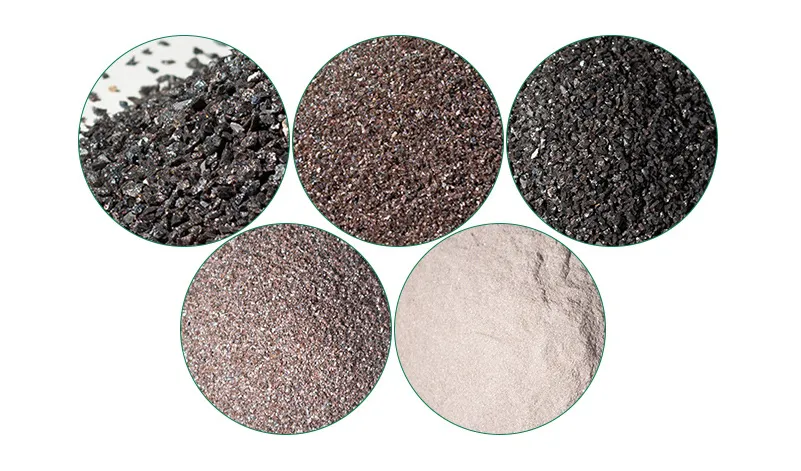
Applications: Brown corundum abrasives are widely used in metalworking due to their high hardness, toughness, self-sharpening, and grinding efficiency.
It is commonly used for machining the following materials:
Steel: Brown corundum is a commonly used abrasive in steel processing, particularly for rough grinding and cutting of ordinary steel. Its high hardness and wear resistance make it an excellent performer in this material.
Cast Iron: Brown corundum also exhibits excellent grinding performance on metals with high iron content, such as cast iron. It effectively removes surface defects and unevenness, improving the surface quality of workpieces.
Other Metal Materials: In addition to steel and cast iron, brown corundum can also be used for processing other metal materials, such as rough grinding and cutting of non-ferrous metals like copper and aluminum.
Formation: White corundum is made from high-quality aluminum oxide powder, melted in a high-temperature electric arc furnace, cooled, and then crushed and screened. During the melting process, the aluminum oxide in the raw material undergoes a phase transformation at high temperatures, forming corundum crystals. Impurities are also removed, resulting in pure white corundum abrasive.
Characteristics: White corundum is white in color, slightly harder than brown corundum, has excellent self-sharpening properties, and high grinding efficiency. It also generates less heat during the grinding process, making it less likely to burn the workpiece.
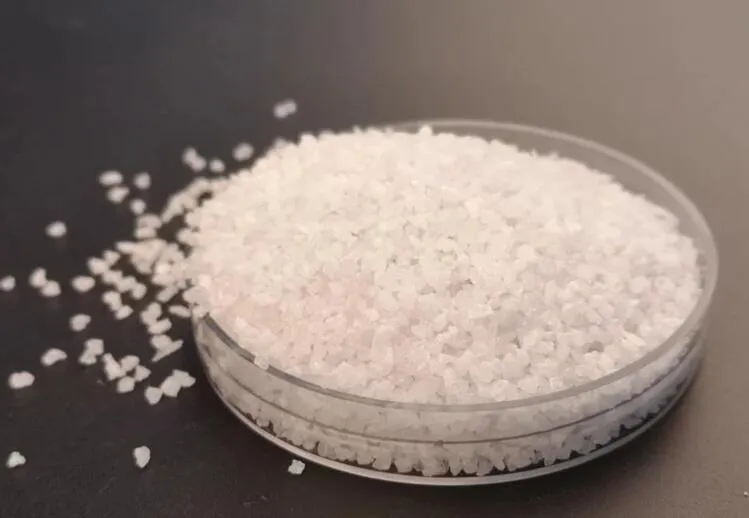
Applications: White corundum abrasives are primarily used for precision grinding and polishing, such as in the manufacturing of automotive parts, aerospace components, and precision molds. These workpieces typically require high precision and surface quality, and white corundum abrasives can meet these requirements.
Formation: Chrome corundum, also know as pink fused alumina, it is produced by adding a certain amount of chromium oxide to corundum. During the high-temperature melting process, the chromium oxide reacts with the aluminum oxide to form chromium-containing corundum crystals, while impurities are removed and crystals grow.
Characteristics: Chrome corundum is typically rose-red or pink in color and exhibits high hardness, high thermal stability, and good chemical stability. Its crystal structure enables the abrasive particles to maintain a sharp edge during the grinding process, reducing abrasive consumption.
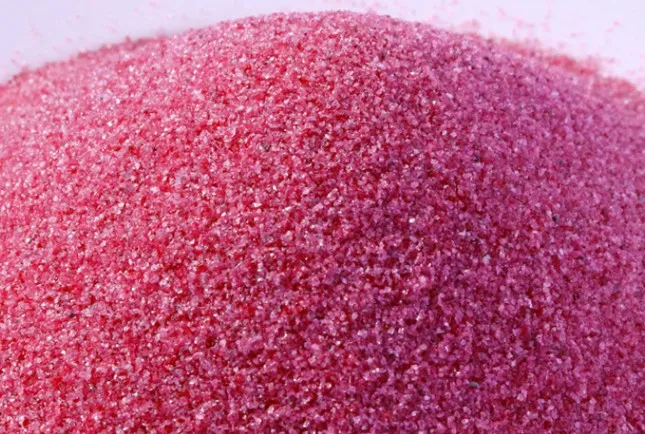
Applications: Chrome corundum abrasives are primarily used for grinding difficult-to-machine materials such as stainless steel and heat-resistant alloys. These materials, due to their high hardness and low thermal conductivity, place high demands on abrasives, which chrome corundum abrasives can meet.
Production Conditions: SG abrasive, also known as ceramic microcrystalline corundum, is made from micron-sized aluminum oxide powder as the primary raw material. It is synthesized and sintered using a series of high-tech formulas and a specialized sol-gel process. This process results in SG abrasives with a microcrystalline structure, resulting in grain sizes significantly smaller than those of ordinary corundum abrasives, reaching the submicron level (less than 1μm). During the manufacturing process, stringent raw material specifications and process requirements are met to ensure the superior performance of the final product.
Characteristics: SG abrasives offer exceptional hardness, sharpness, and self-sharpening properties, along with strong shape retention and a long service life. Their unique crystal structure allows the abrasive particles to continuously break apart during the grinding process, exposing new cutting edges and maintaining grinding performance.
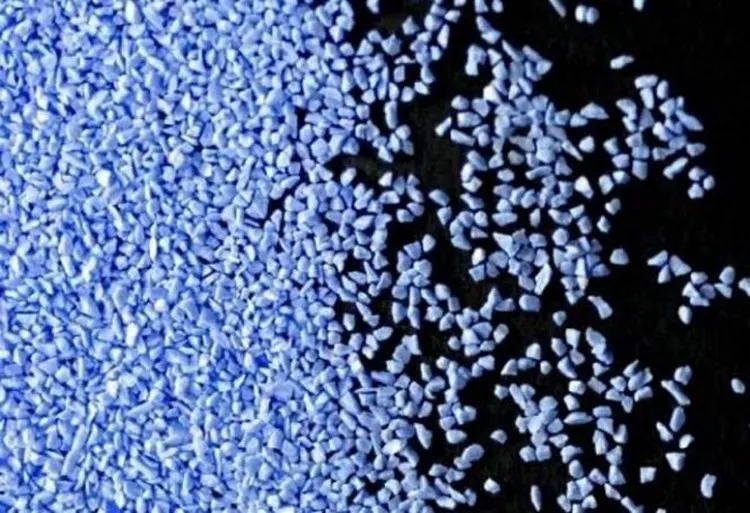
Applications: SG abrasives are primarily used for high-precision, high-efficiency grinding operations in the metalworking industry. SG abrasives have a wider range of applications, adapting to the machining needs of various metal and non-metal workpieces. In summary, different types of corundum abrasives have different production conditions, characteristics, and application areas. In practical applications, the appropriate abrasive type should be selected according to specific needs and process conditions to ensure grinding efficiency and workpiece quality. At the same time, for the processing of non-metallic materials, diamond and silicon carbide abrasives are generally more suitable.
